(704) 536-0269
AVAILABLE FOR EMERGENCIESInvisalign vs Braces in Mint Hill, NC
Many patients in Mint Hill ask the same question: can Invisalign fix your bite, or do you need braces? It is one of the most common concerns we hear at Regal Oaks Dental Charlotte. The answer depends on the type and severity of your alignment issue. Dr. Hiren Patel helps patients understand their options so they can make confident, informed decisions.
Invisalign has come a long way over the past two decades. Today, it can treat a wide range of bite and alignment problems. However, it is not the right solution for every patient. Understanding where Invisalign excels — and where it has limits — is the first step toward choosing the right treatment.
What Invisalign Can Fix in Mint Hill Patients
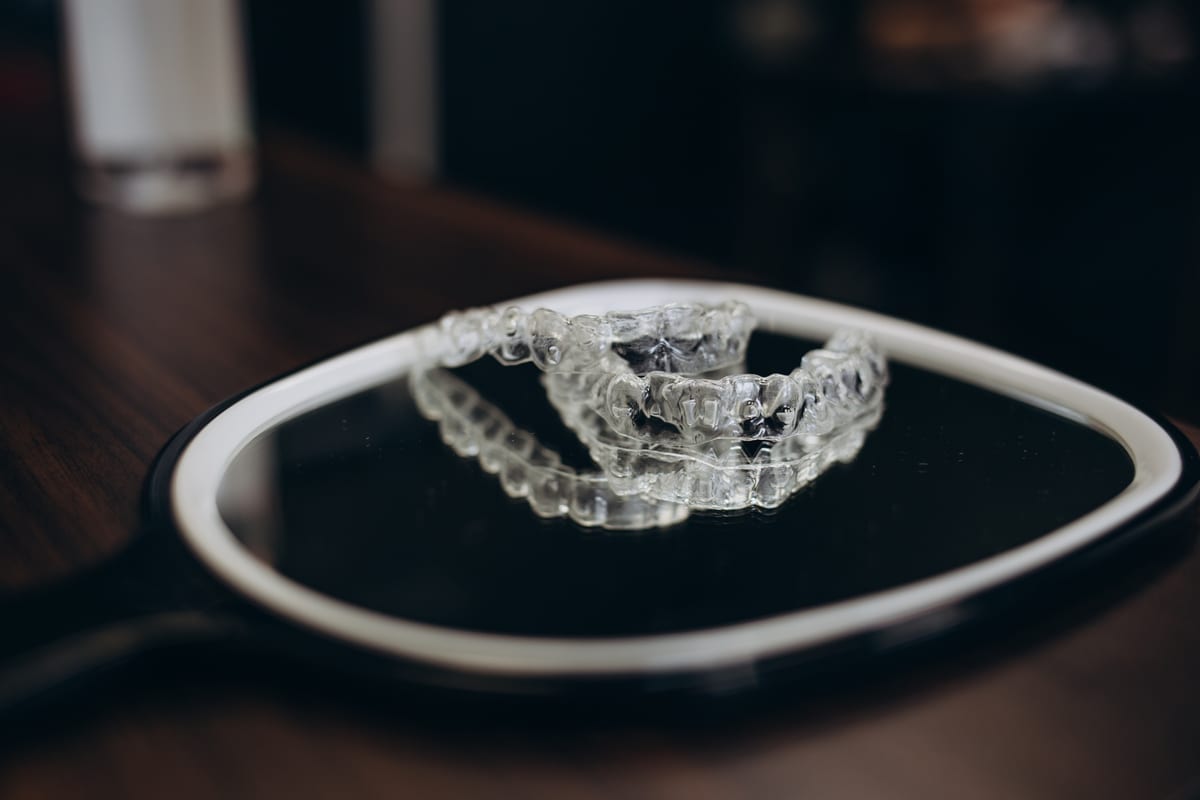
Invisalign uses a series of clear, removable aligners to shift teeth gradually. It works well for many common orthodontic concerns. Patients who want a discreet option often find it to be an excellent fit.
Here are the conditions Invisalign commonly treats effectively:
- Mild to moderate crowding — when teeth overlap or are too close together
- Spacing issues — gaps between teeth caused by missing teeth or natural spacing
- Mild overbite — when upper front teeth overlap lower front teeth too much
- Mild underbite — when lower teeth sit in front of upper teeth
- Crossbite — when upper and lower teeth do not align properly side to side
- Open bite — when front teeth do not meet when the mouth is closed
For these cases, Invisalign can deliver beautiful results. Treatment timelines vary but often range from 12 to 18 months. Many Mint Hill patients appreciate the convenience of removable aligners during daily life.
When Traditional Braces Work Better
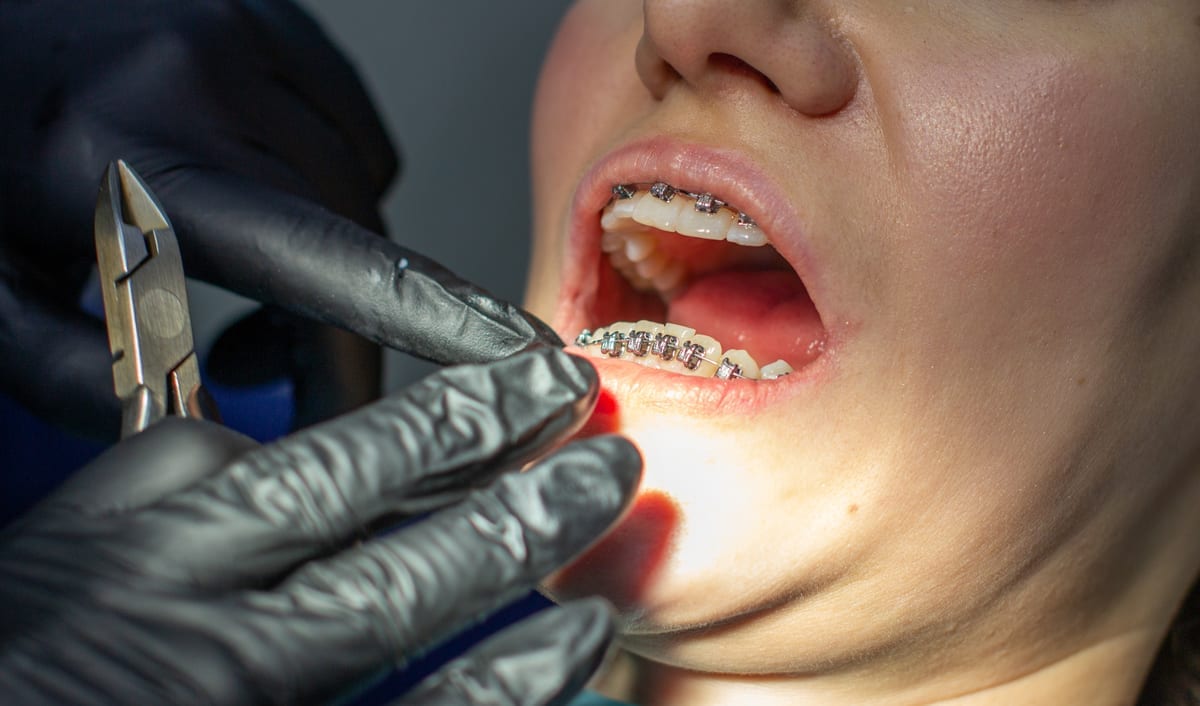
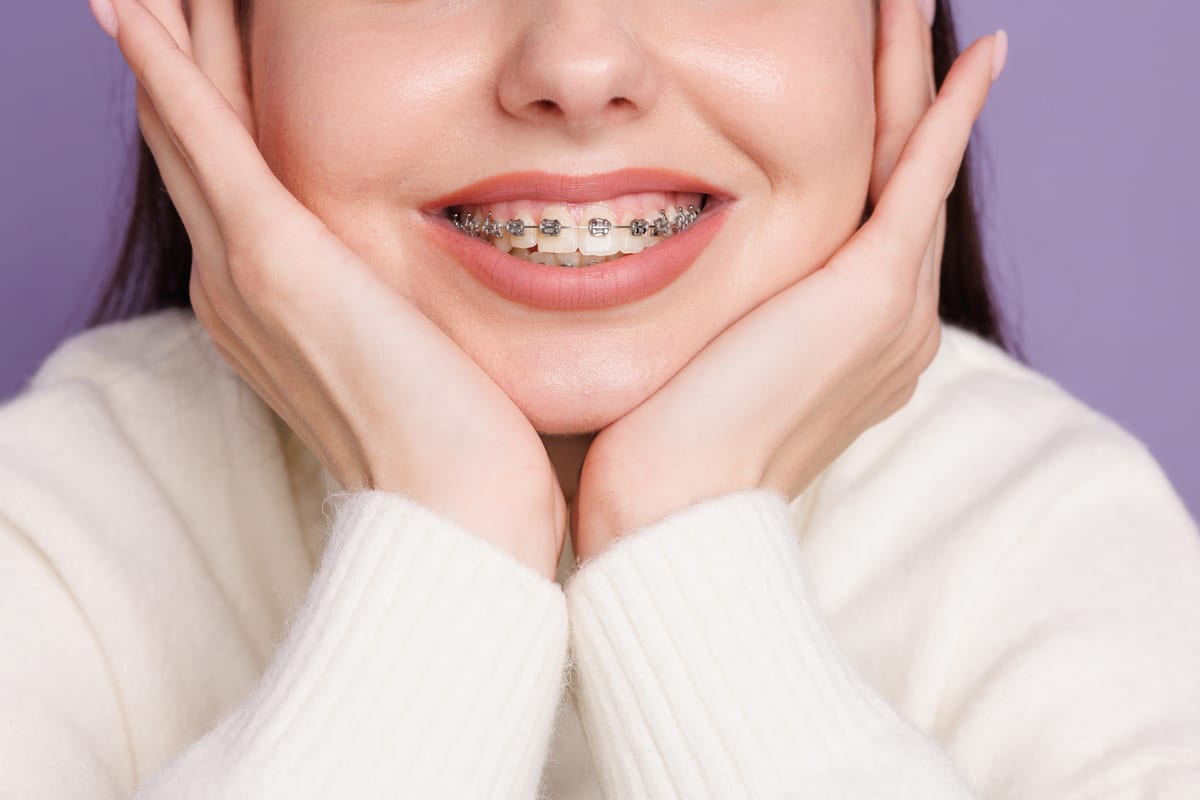
Invisalign is powerful, but it has real limitations. Some bite issues require the constant, precise force that only fixed braces can provide. Dr. Patel evaluates each patient individually to determine the most effective path forward.
Traditional braces may be the better choice in these situations:
- Severe crowding — teeth that are significantly overlapped or rotated
- Severe overbite or underbite — structural bite problems that need stronger correction
- Complex tooth rotations — especially for round teeth like premolars that are hard to grip
- Vertical tooth movements — intrusion or extrusion that requires more control
- Jaw alignment issues — cases where skeletal correction may also be needed
- Patient compliance concerns — since Invisalign requires wearing aligners 20 to 22 hours per day
In some complex cases, a combination approach works best. Patients may begin with braces and finish with Invisalign refinements. Dr. Patel discusses all realistic options during your consultation.
Understanding Bite Problems: Overbite, Underbite, and More
Bite problems are not just cosmetic concerns. Misaligned bites can cause jaw pain, uneven tooth wear, and difficulty chewing. Treating these issues early protects your long-term oral health.
An overbite occurs when the upper jaw extends too far over the lower jaw. Invisalign can correct mild to moderate overbites using precision bite ramps built into the aligners. Severe overbites may still need braces or even jaw surgery in rare cases.
An underbite happens when lower teeth protrude in front of upper teeth. Mild underbites respond well to Invisalign. However, skeletal underbites caused by jaw positioning typically require more intervention than aligners alone can provide.
A crossbite involves misalignment across the back or front teeth. Invisalign handles many crossbite corrections effectively. Your dentist will take detailed scans and X-rays to assess whether your crossbite falls within treatable parameters. Good Preventive Dentistry habits also support better outcomes throughout any orthodontic treatment.
How Dr. Patel Determines Your Candidacy in Mint Hill
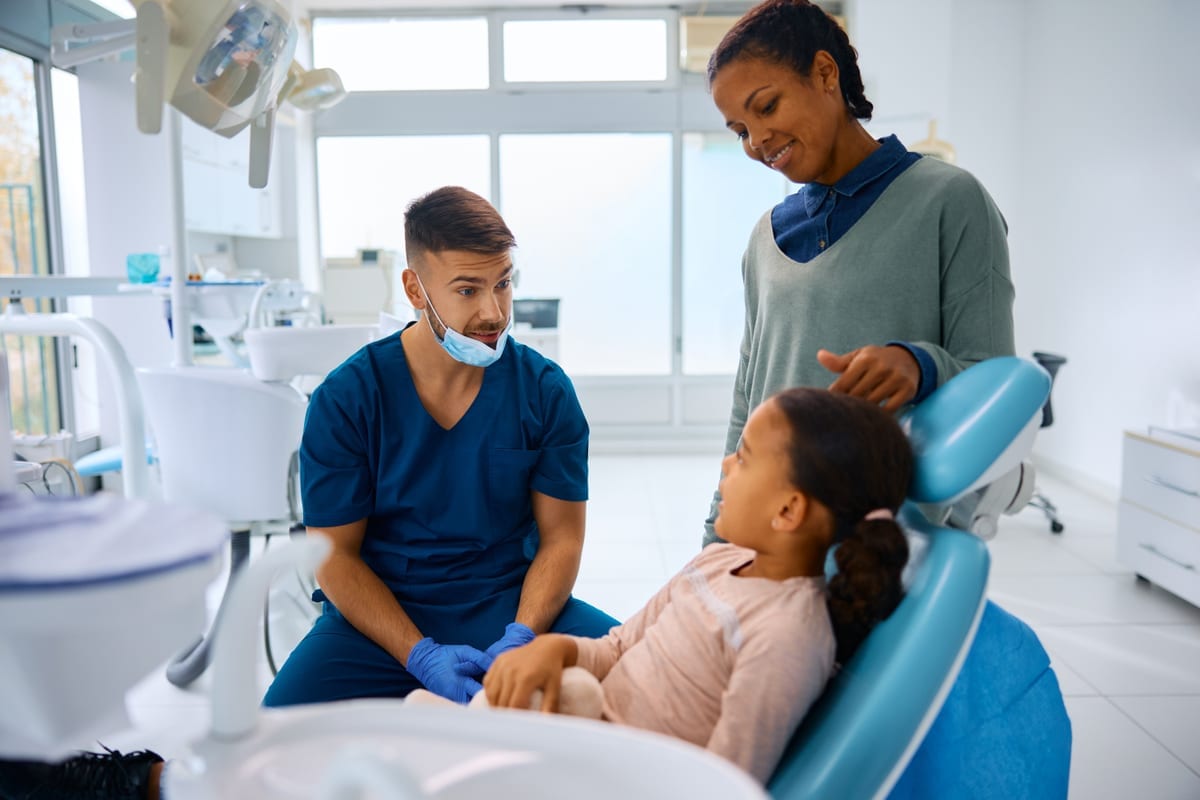
Not every patient is an Invisalign candidate, and that is perfectly fine. Dr. Hiren Patel uses digital scans, X-rays, and a thorough bite assessment to evaluate your situation. This process ensures that your treatment plan is realistic and effective.
During your consultation, Dr. Patel will look at several key factors. These include the degree of crowding or spacing, the severity of your bite misalignment, your dental health history, and your commitment to wearing aligners consistently. Patients with untreated gum disease or significant tooth decay may need to address those issues first before starting orthodontic treatment.
In some cases, patients need Root Canal Treatment on a specific tooth before orthodontic work begins. Managing existing dental concerns upfront leads to smoother, more predictable alignment results. Dr. Patel coordinates all aspects of your care under one roof at our Charlotte practice, which serves the greater Mint Hill community.
Invisalign candidacy also depends on age and jaw development. Adults and older teens are generally the best candidates. Younger children may need to wait until their permanent teeth have fully erupted before starting clear aligner therapy.
Making the Right Decision for Your Smile
The best treatment is the one that matches your specific bite, lifestyle, and goals. Invisalign offers real freedom — no dietary restrictions, easy cleaning, and nearly invisible appearance. Braces offer unmatched control for complex cases that require precise, consistent force.
Both options have improved dramatically in recent years. Modern braces are smaller and more comfortable than older versions. Invisalign technology now handles cases that were once considered too complex for aligners. The key is getting a proper evaluation from a knowledgeable provider.
At Regal Oaks Dental Charlotte, we believe every patient in the Mint Hill area deserves a clear explanation of their choices. We never recommend treatment based on convenience. Our goal is always to give you the most effective, evidence-based path to a healthier, straighter smile.
If you have been wondering whether Invisalign can fix your bite or whether braces are the better option, the next step is a thorough consultation. Book Now to schedule your appointment with our team.
Frequently Asked Questions
Can Invisalign really fix a bad bite, or is it only for cosmetic alignment?
Invisalign can treat many functional bite issues, including mild to moderate overbites, underbites, crossbites, and open bites. It is not just a cosmetic tool. However, severe structural bite problems may still require traditional braces or a combined approach for the best results.
How do I know if my case is too complex for Invisalign in Mint Hill?
A qualified dentist like Dr. Hiren Patel will assess your bite using digital scans and X-rays. Severe crowding, significant rotations, and skeletal jaw issues often fall outside Invisalign’s ideal range. A professional consultation is the only reliable way to determine your candidacy.
Is Invisalign treatment faster than braces?
For mild to moderate cases, Invisalign treatment times are often comparable to braces — typically 12 to 18 months. Complex cases treated with braces may take longer. Treatment speed depends on the severity of your alignment issue and how consistently you wear your aligners.
What happens if I do not wear my Invisalign aligners enough each day?
Invisalign requires 20 to 22 hours of wear per day to work properly. Wearing them less than that slows progress and can cause teeth to shift back between aligner changes. Inconsistent wear is one of the most common reasons treatment takes longer than expected.
Does fixing your bite also improve your overall dental health?
Yes, correcting a misaligned bite reduces uneven wear on teeth, makes cleaning easier, and can relieve jaw tension or discomfort. Straighter teeth are also easier to brush and floss, which supports better long-term oral hygiene and reduces the risk of cavities and gum disease.