(704) 536-0269
AVAILABLE FOR EMERGENCIESLost Your Crown or Filling? Here’s What to Do Right Now
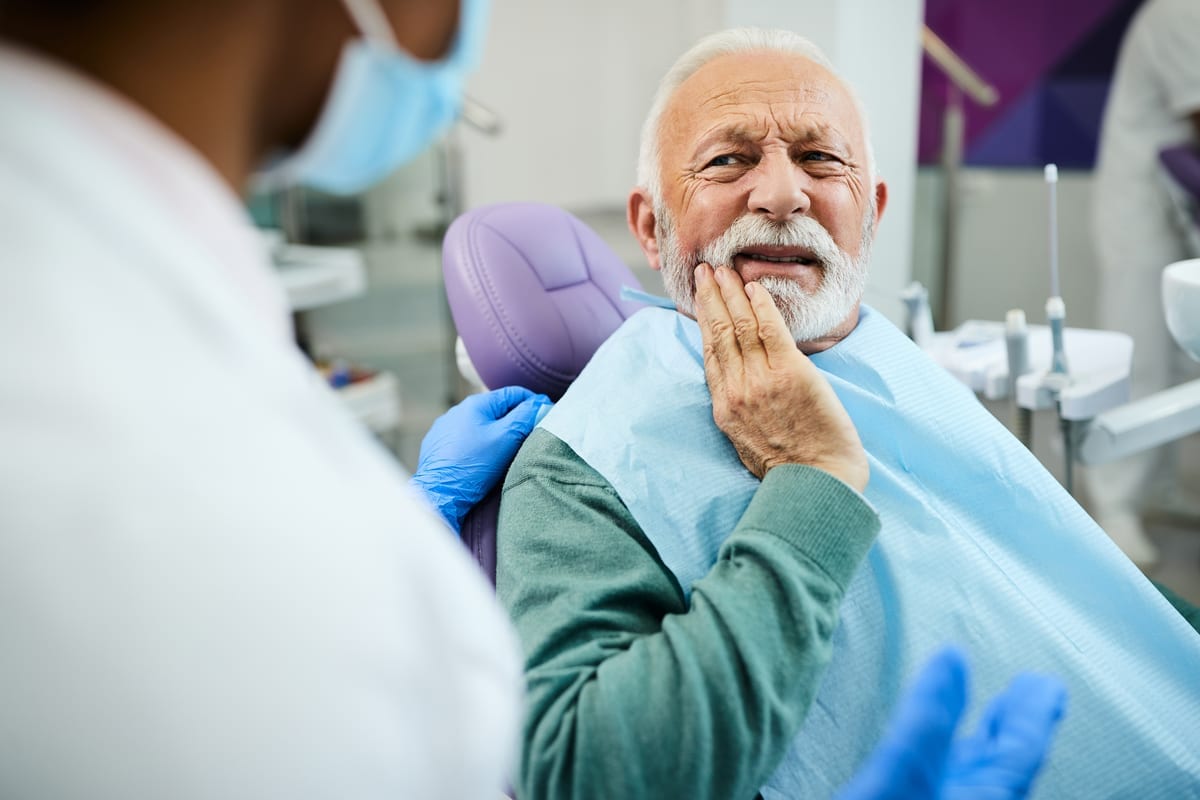
Losing a crown or filling can feel alarming — especially if it happens on a weekend or during a busy workday in Charlotte. You might feel a sudden sensitivity, notice something hard in your mouth, or realize your tooth feels completely different. Knowing what to do right now makes a real difference. This guide walks you through exactly what to do if you’ve lost your crown or filling in Charlotte, what helps in the short term, and what you should absolutely avoid.
Why Losing a Crown or Filling Is More Urgent Than You Think
A crown or filling is not just cosmetic. It protects the underlying tooth structure from bacteria, pressure, and temperature changes. Once that protection is gone, the exposed tooth becomes vulnerable very quickly. Even a few days without treatment can allow decay or damage to progress significantly.
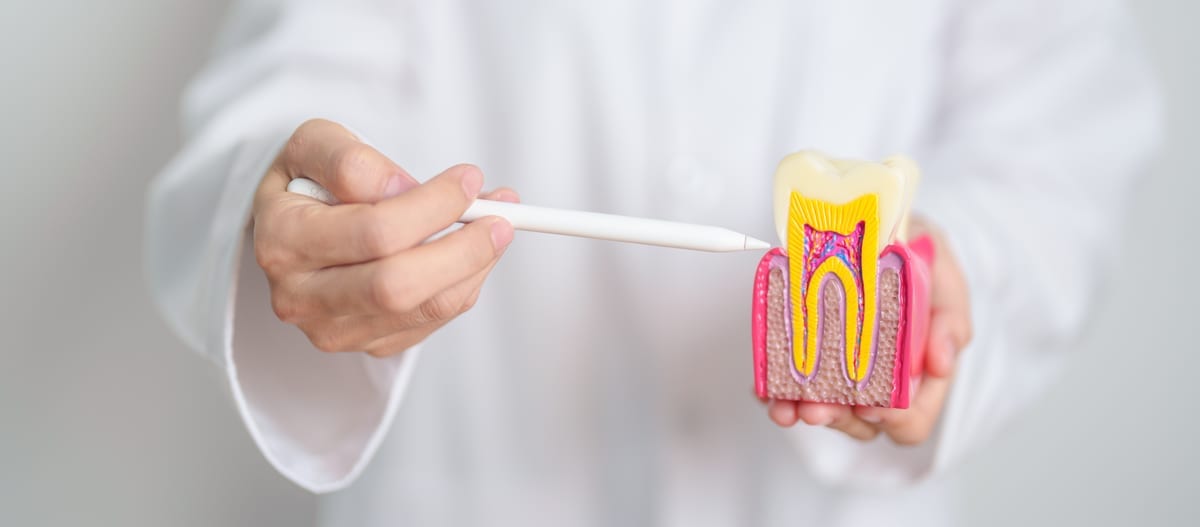
The inner layer of your tooth — called dentin — is much softer than enamel. It contains tiny nerve channels that cause sharp pain when exposed. That’s why a lost filling often causes immediate sensitivity to cold, heat, or sweet foods. Don’t dismiss that discomfort. Your tooth is sending a clear signal that it needs attention.
If the tooth underneath was already compromised before the crown came off, the risk is even higher. A weakened tooth without its crown can crack under normal chewing pressure. That kind of fracture can sometimes lead to the need for Root Canal Treatment Charlotte patients want to avoid — or even extraction.
Immediate Steps to Take Right Now in Charlotte
The first thing to do is stay calm. A lost crown or filling is a dental emergency, but it is manageable. Follow these steps as soon as possible to protect your tooth until you can see Dr. Hiren Patel at Regal Oaks Dental Charlotte.
- Find the crown if you can. Do not throw it away. Bring it to your appointment — it may be reusable.
- Rinse your mouth gently with warm water to clean the area around the exposed tooth.
- Use dental cement or temporary filling material from your local pharmacy to cover the tooth. Brands like Dentemp are available at most Charlotte drugstores.
- Avoid chewing on that side of your mouth until you’ve been seen by your dentist.
- Take over-the-counter pain relief if needed, such as ibuprofen or acetaminophen — follow label dosing instructions.
- Call your dentist right away to schedule an emergency appointment as soon as possible.
Temporary cement is not a permanent fix. It protects the tooth and reduces sensitivity for a short time. It should never be used as a reason to delay professional care.
What Makes It Worse — Avoid These Common Mistakes
Many patients make innocent mistakes after losing a crown or filling. These can significantly worsen the situation before they even reach the dentist. Knowing what not to do is just as important as knowing what to do.
- Do not use super glue. It is toxic in the mouth and can permanently damage the tooth or surrounding tissue.
- Do not ignore the pain. Pain signals that the nerve may be exposed or infected. Waiting too long can lead to serious complications.
- Do not eat hard, crunchy, or sticky foods on the affected side. These can crack a weakened tooth or pull off any temporary material you’ve applied.
- Do not assume it can wait weeks. Exposed teeth decay rapidly. What starts as a minor fix can become a major procedure within days.
- Do not attempt to re-cement a crown yourself without dental guidance. Improper placement can trap bacteria underneath.
Even if you feel no pain, a missing crown still needs prompt attention. Pain-free does not mean damage-free. The tooth underneath may be at risk even without obvious symptoms.
What to Expect at Your Emergency Appointment at Regal Oaks Dental
When you come in to see Dr. Hiren Patel, the first goal is a thorough assessment of the affected tooth. The team will check whether the crown or filling can be replaced as-is, or whether the tooth requires additional treatment first.
If your crown came off intact and the tooth beneath it is healthy, re-cementing is often straightforward. The process usually takes one short visit. If there is new decay underneath, that must be addressed before placing a new restoration.
In some cases, the tooth may have cracked while unprotected. Cracks can require a new or larger crown. More severe cases may involve the nerve, which is when root canal therapy may be recommended. The team will always explain your options clearly before any treatment begins.
Dr. Patel and the Regal Oaks Dental team understand how stressful a dental emergency feels. The goal is to get you comfortable, address the problem, and help you leave with a clear plan. Patients across Charlotte trust this practice for both urgent care and ongoing Preventive Dentistry Charlotte services that help prevent emergencies from happening in the first place.
How to Prevent This From Happening Again
Crowns and fillings can last many years with proper care. However, they do not last forever. Understanding what causes them to fail helps you protect your restorations long-term.
Grinding your teeth at night — a condition called bruxism — is one of the leading causes of crown and filling failure. A custom night guard can protect both your natural teeth and your restorations. Ask your dentist at your next checkup if this applies to you.
Chewing on ice, hard candies, or pen caps puts excessive force on restorations. These habits can loosen or crack even well-placed crowns over time. Sticky foods like caramel and chewing gum can physically pull at a crown and weaken its seal.
Regular dental checkups allow Dr. Patel to spot a weakening crown or failing filling before it becomes an emergency. Most restoration problems give early warning signs that a trained eye can catch during a routine exam. Staying current with your checkups is the single most effective prevention strategy.
Conclusion: Don’t Wait — Get Seen Today
If you’ve lost your crown or filling in Charlotte, time matters. Protect the tooth with temporary material, avoid hard foods, and contact Regal Oaks Dental Charlotte as quickly as possible. Dr. Hiren Patel and the team are here to provide fast, compassionate care when you need it most. Book Now to schedule your appointment with our team.
Frequently Asked Questions
Is a lost crown or filling a dental emergency?
Yes, it should be treated as an urgent dental situation. An exposed tooth is vulnerable to decay, infection, and fracture. Contact your dentist as soon as possible — ideally on the same day the crown or filling is lost.
Can I put my crown back in myself at home?
You can use temporary dental cement from a pharmacy to hold the crown in place short-term. However, you should never use regular household glue. Only a dentist can properly evaluate and permanently re-cement a crown to ensure a safe, lasting fit.
Why does my tooth hurt so much after losing a filling?
The inner layer of your tooth — dentin — is exposed when a filling is lost. Dentin contains nerve channels that are extremely sensitive to temperature changes, sweet foods, and air. This sensitivity is your tooth’s way of telling you it needs protection quickly.
How long can I wait before seeing a dentist after losing a crown?
You should aim to be seen within 24 to 48 hours. Every day without a crown exposes the tooth to bacteria and physical stress. Delaying care can turn a simple re-cement into a more complex and costly procedure.
Will I need a root canal if I lost my crown or filling?
Not necessarily. Many cases are resolved by simply replacing or re-cementing the restoration. However, if the tooth has developed decay or infection underneath, or if the nerve has been exposed for too long, root canal treatment may be needed. Your dentist will assess this at your appointment.