(704) 536-0269
AVAILABLE FOR EMERGENCIESTeeth Sensitivity During Cleaning
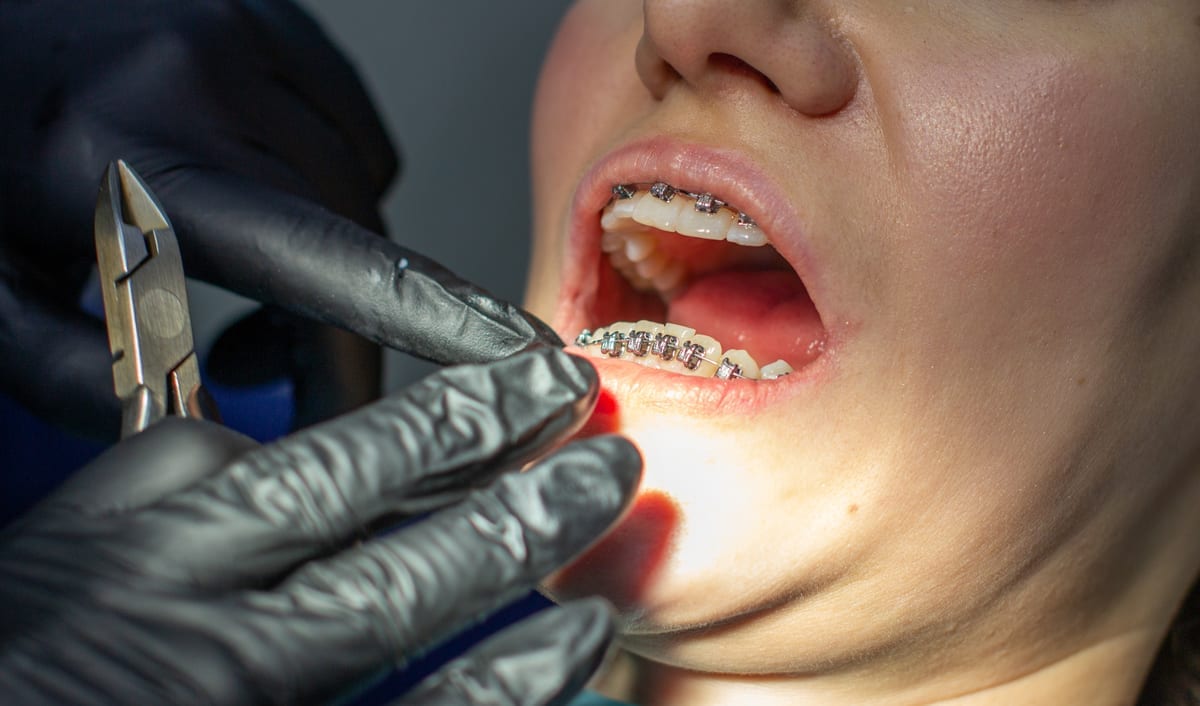
If your teeth feel sensitive during cleaning, you are not alone. Many patients in Mint Hill, NC share this concern before their appointments. Understanding why sensitivity happens can make your next visit much easier. At Regal Oaks Dental Charlotte, Dr. Hiren Patel and our hygiene team are committed to making every cleaning comfortable and stress-free. Knowing why your teeth react during cleaning — and how we help — puts you back in control of your dental health.
Why Do Your Teeth Feel Sensitive During Cleaning?
Tooth sensitivity during a cleaning usually has a clear cause. The most common reason is exposed dentin, the soft layer beneath your enamel. When enamel wears down or gums recede, dentin becomes exposed to touch and temperature. The instruments our hygienist uses can stimulate these exposed surfaces and trigger that familiar sharp sensation.
Gum inflammation is another major contributor. If plaque and tartar have built up along the gumline, your gums may already be inflamed and tender. Cleaning removes that buildup, but irritated tissue can feel more reactive during the process. This is especially true if it has been a while since your last professional cleaning.
Some patients also have naturally thinner enamel, which makes teeth more reactive overall. Others experience sensitivity tied to teeth grinding, acidic diets, or certain medications. Our team always reviews your health history so we can anticipate and address your specific sensitivity triggers before the appointment begins.
What Our Hygienist Does to Minimize Sensitivity in Mint Hill
Our hygienists at Regal Oaks Dental Charlotte take a gentle, patient-centered approach to every cleaning. Before we begin, we talk with you about any areas that feel particularly sensitive. This simple conversation helps us tailor the cleaning to your comfort level from the very start.
We offer topical numbing gel for patients who need extra support. This is applied directly to the gums and takes effect quickly. It significantly reduces discomfort during scaling and polishing without requiring any injections.
Here are some of the specific steps our hygiene team takes to reduce sensitivity during your visit:
- Reviewing your dental history and noting sensitive areas before starting
- Applying topical anesthetic gel when needed for extra comfort
- Using gentle hand instruments alongside ultrasonic scalers based on your preference
- Taking short breaks throughout the cleaning if you need them
- Rinsing with warm water rather than cold to reduce thermal sensitivity
- Communicating every step before performing it so you feel prepared
These measures are not just courtesies. They are part of our standard care protocol for every patient at our Charlotte practice.
The Connection Between Regular Cleanings and Less Sensitivity Over Time
One of the most important things to understand is that consistent Preventive Dentistry actually reduces sensitivity over time. When cleanings happen on schedule, plaque and tartar do not accumulate as heavily. Less buildup means less gum inflammation. Less inflammation means a more comfortable cleaning experience at each visit.
Patients who skip cleanings often find the next appointment more uncomfortable. This is because more tartar has formed and gums have become more inflamed in the meantime. The cleaning itself takes longer and requires more instrument contact. It feels like a cycle, but the solution is actually to stay consistent rather than avoid the chair.
Over multiple regular visits, many patients tell us their sensitivity noticeably decreases. Their gums become healthier and their enamel is better protected. Coming in every six months is truly one of the most effective ways to make each visit easier than the last.
When Sensitivity During Cleaning Signals Something More
Sometimes sensitivity during a cleaning points to an underlying dental issue that deserves attention. If you notice sharp pain that lingers after the appointment, that is worth discussing with Dr. Patel. Persistent sensitivity may indicate a cavity, a cracked tooth, or early signs of gum disease.
In some cases, patients who experience severe sensitivity during cleanings have deeper issues with the tooth root or nerve. If Dr. Patel identifies signs of nerve involvement, he may recommend Root Canal Treatment to address the source of the discomfort. This is far less common than everyday cleaning sensitivity, but it is important not to dismiss pain that feels unusual or intense.
The good news is that catching these issues early leads to simpler, more affordable treatment. This is another reason why keeping your regular cleaning appointments in Mint Hill is so valuable. Our team is trained to notice warning signs during your visit and communicate them clearly.
Signs that your sensitivity may need further evaluation include:
- Pain that lasts more than a few seconds after the cleaning instrument moves away
- Throbbing or aching that continues hours after your appointment
- Visible cracks or chips near a sensitive area
- Gums that bleed heavily and do not improve between visits
- Sensitivity only on one specific tooth rather than a general area
Tips to Reduce Sensitivity Before and After Your Cleaning
There are practical steps you can take at home to reduce sensitivity around your cleaning appointments. Using a sensitivity toothpaste for two to four weeks before your visit can make a meaningful difference. These toothpastes contain ingredients that block exposed dentinal tubules and calm nerve responses.
Avoid acidic foods and drinks in the 24 hours before your appointment. Citrus, soda, and vinegar-based foods temporarily weaken enamel and heighten reactivity. Drinking water and eating enamel-friendly foods like dairy and leafy greens helps protect your teeth heading into the appointment.
After your cleaning, give your teeth a little extra care. Stick to room-temperature foods and drinks for the rest of the day. Avoid anything extremely hot or cold for a few hours. If your gums feel tender, a saltwater rinse can help soothe them naturally. Most post-cleaning sensitivity resolves within 24 to 48 hours.
At Regal Oaks Dental Charlotte, we want every Mint Hill patient to feel confident and calm walking into their cleaning. Our team is here to answer questions, adjust our approach, and make sure your experience is as comfortable as possible. Book Now to schedule your appointment with our team.
Frequently Asked Questions
Is it normal for teeth to hurt during a dental cleaning?
Some sensitivity during a cleaning is very common. Exposed dentin, gum inflammation, and tartar buildup can all make teeth more reactive. If the discomfort is severe or continues after the appointment, let Dr. Patel know so the cause can be evaluated.
Can I ask my hygienist to stop if the sensitivity becomes too much?
Absolutely. Our hygienists at Regal Oaks Dental Charlotte encourage patients to signal them anytime they need a break. You are always in control of your appointment. We will pause, check in, and adjust our approach before continuing.
Will sensitivity toothpaste actually help before my cleaning?
Yes, using a sensitivity toothpaste for two to four weeks before your appointment can reduce nerve reactivity. Look for products containing potassium nitrate or stannous fluoride. Ask our team for a specific recommendation based on your sensitivity level.
How often should I schedule cleanings if I have sensitive teeth?
Most patients with sensitive teeth benefit from keeping their regular six-month schedule. Consistent cleanings prevent the heavy buildup that makes sensitivity worse over time. In some cases, Dr. Patel may recommend more frequent visits based on your gum health.
What if my tooth sensitivity gets worse between cleanings?
Worsening sensitivity between appointments is a sign to call us sooner rather than waiting. It could indicate a new cavity, a cracked tooth, or gum recession. Addressing issues early leads to simpler treatment and less discomfort in the long run.