(704) 536-0269
AVAILABLE FOR EMERGENCIESWhy Dry Mouth Increases Your Risk For Cavities: What You Need to Know
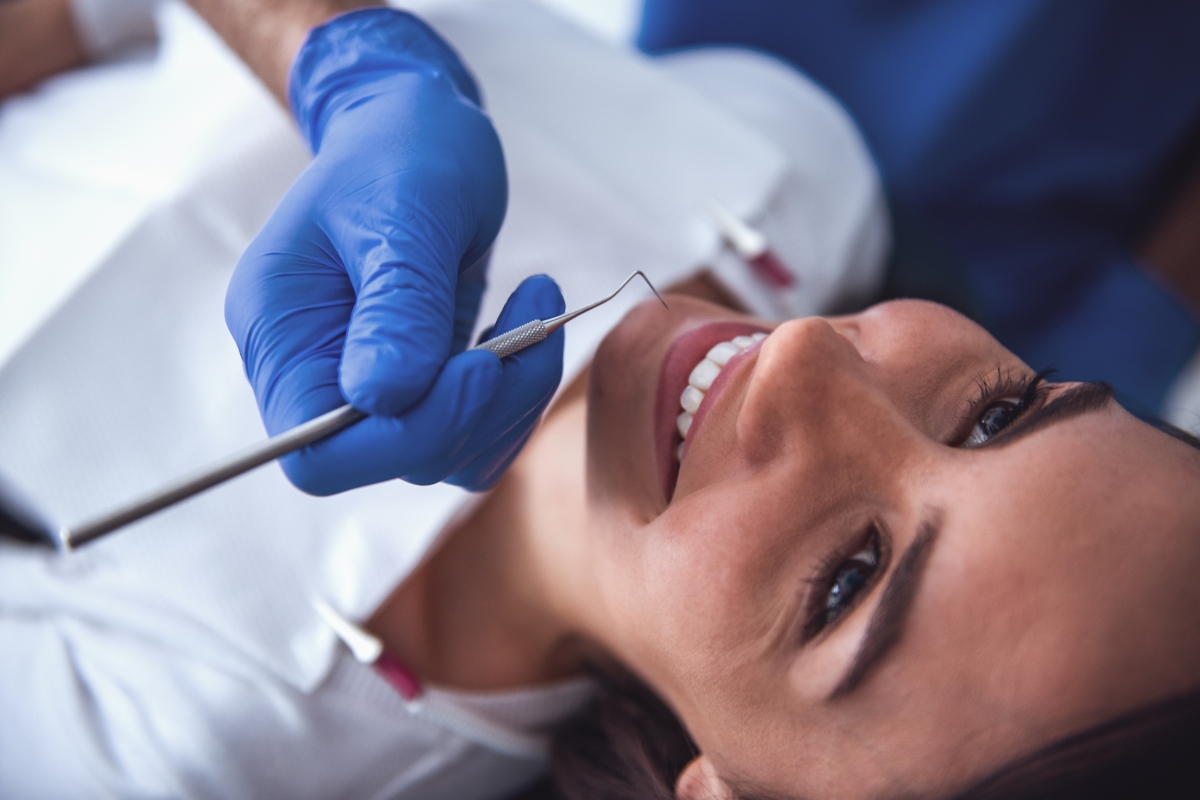
If you’ve ever experienced a dry mouth, you’re not alone. Whether it’s due to stress, medication, or just waking up in the morning, dry mouth (also known as xerostomia) can be an uncomfortable and frustrating condition. But did you know that it could also be a key factor in the development of cavities? Saliva plays an essential role in maintaining oral health by neutralizing acids, washing away food particles, and protecting the enamel of your teeth.
Without enough saliva, the balance in your mouth is disrupted, making you more vulnerable to tooth decay. In this blog, we’ll explore how dry mouth increases your risk of cavities, the causes, and most importantly, what you can do to prevent it.
What Is Dry Mouth?
Dry mouth, or xerostomia, is a condition where the salivary glands do not produce enough saliva to keep the mouth moist. Saliva is essential for overall oral health, helping to maintain a neutral pH, aiding in digestion, and protecting the teeth from harmful bacteria. When saliva production is reduced, it leaves your mouth dry, which can cause a variety of discomforts.
There are many causes of dry mouth. Medications are a common culprit, as several medications, such as antihistamines, antidepressants, and blood pressure medications, can reduce saliva flow. Health conditions like diabetes, autoimmune diseases (like Sjogren’s syndrome), and Parkinson’s disease also affect saliva production. Additionally, dehydration from not drinking enough water, smoking, or breathing through your mouth can all contribute to dry mouth.
The symptoms of dry mouth can be quite noticeable. You may experience a sticky feeling in your mouth, difficulty swallowing, a dry or sore throat, bad breath, or even a hoarse voice. If any of these symptoms persist, it could be an indication that you’re dealing with more than just a temporary dry mouth.
How Does Dry Mouth Affect Oral Health?
Saliva plays a critical role in protecting your teeth. It helps wash away food particles and neutralize acids that are produced by bacteria in the mouth. Without sufficient saliva, the acids in your mouth have a much greater chance of causing damage to the tooth enamel, leading to cavities. Saliva also contains minerals like calcium and phosphate that help remineralize and strengthen tooth enamel, which is crucial for preventing tooth decay.
When dry mouth occurs, plaque buildup increases, as there is less saliva to wash it away. Plaque is a sticky film of bacteria that forms on your teeth. If it is not removed by brushing and flossing, it hardens into tartar and can lead to cavities and gum disease. Moreover, without saliva to neutralize acids, the pH in the mouth becomes more acidic, which encourages tooth erosion and promotes cavity formation.
Additionally, a lack of saliva increases the risk of bad breath and oral infections. Saliva naturally helps keep bacteria in check, but when it’s insufficient, harmful bacteria can thrive. This can lead to conditions like gingivitis or periodontal disease, further escalating oral health issues.
The Connection Between Dry Mouth and Cavities
Dry mouth, or xerostomia, directly increases the risk of cavities by disrupting the natural balance in your mouth. Saliva is a powerful protective agent for your teeth. It neutralizes harmful acids produced by bacteria, washes away food particles, and helps remineralize enamel, which is crucial for preventing tooth decay. When saliva production is reduced, your mouth becomes more susceptible to the harmful effects of bacteria and plaque buildup, which ultimately leads to cavities.
In a healthy mouth, saliva acts as a natural defense by maintaining a balanced pH. This helps to neutralize the acids that bacteria produce when they break down food particles. Without enough saliva, these acids are left unchecked, eroding the enamel and leading to tooth decay.
Saliva also provides minerals like calcium and phosphate, which help repair weakened enamel. In the absence of sufficient saliva, this remineralization process is hindered, making it harder for teeth to recover from damage.
Studies have shown that individuals with dry mouth are at a significantly higher risk of cavities. According to the American Dental Association, people who suffer from chronic dry mouth are three times more likely to develop cavities compared to individuals with normal saliva production. This is because the protective functions of saliva are compromised, creating an ideal environment for plaque buildup and bacterial growth.
Additionally, dry mouth can also lead to other oral health issues like gum disease and bad breath. Without the natural cleansing action of saliva, harmful bacteria thrive, which can further complicate oral health. This highlights the importance of managing dry mouth to reduce the risk of cavities and maintain a healthy, thriving smile.
How to Manage and Prevent Dry Mouth
Managing dry mouth is crucial in maintaining your oral health and preventing cavities. Here are some practical tips offered by a professional dentist in Charlotte to help you manage and reduce dry mouth:
- Stay Hydrated: Drink plenty of water throughout the day to keep your mouth moist. Carry a water bottle and sip regularly, especially if you are prone to dry mouth due to medications or dehydration.
- Chew Sugar-Free Gum or Mints: Chewing gum or sucking on mints stimulates saliva production. Look for sugar-free options to avoid feeding harmful bacteria in the mouth.
- Use Saliva Substitutes: Over-the-counter saliva substitutes can help provide moisture to your mouth if natural saliva production is insufficient.
- Maintain Good Oral Hygiene: Brush your teeth twice a day with fluoride toothpaste, floss daily, and use a mouthwash that promotes oral health. This helps remove plaque buildup and prevent cavities.
- Use a Humidifier at Night: If you sleep with your mouth open, using a humidifier in your bedroom can help keep your mouth moist while you sleep.
- Avoid Certain Medications and Foods: If possible, avoid medications that can dry out your mouth, and steer clear of caffeinated drinks, alcohol, and tobacco, which can further reduce saliva flow.
When to See a Dentist
If dry mouth is affecting your daily life, it’s time to consult a dentist in Charlotte. Persistent dry mouth may lead to more serious oral health issues like cavities, gum disease, and tooth sensitivity.
Signs that you should seek professional help include:
- Difficulty speaking, swallowing, or chewing
- A constant dry or sore throat
- Dry, cracked lips or a dry tongue
- Increased tooth sensitivity
- Chronic bad breath
A dentist at Regal Oaks Dental Charlotte can evaluate your condition and suggest ways to alleviate your dry mouth. Your dentist can also help you create a plan to prevent cavities and other oral health problems that may result from dry mouth.
In conclusion, dry mouth is not just an uncomfortable condition. It can significantly increase your risk of cavities and other oral health issues. Understanding the causes and symptoms of dry mouth, as well as taking proactive steps to manage it, is key to maintaining a healthy mouth.
If you’re dealing with dry mouth and its effects, don’t wait. Consult a professional. At Regal Oaks Dental Charlotte, we are here to help you maintain optimal oral health. Reach out to us today to book an appointment and discuss your dry mouth concerns. Your smile deserves the best care!
Frequently Asked Questions
How does dry mouth affect overall oral health?
Dry mouth increases plaque buildup, makes it harder to remove food particles, and leaves your teeth vulnerable to cavities, gum disease, and bad breath.
Can dry mouth lead to gum disease?
Yes, without enough saliva to wash away bacteria, plaque can accumulate, leading to gum disease and inflammation.
Are there any foods that help reduce dry mouth?
Foods that stimulate saliva, such as crunchy fruits and vegetables, can help alleviate dry mouth. Staying hydrated is also key.
Can dry mouth be a sign of a serious health issue?
In some cases, persistent dry mouth may indicate an underlying health condition, such as an autoimmune disorder or diabetes. It’s best to consult a doctor.