(704) 536-0269
AVAILABLE FOR EMERGENCIESYour Veneers Will Last Decades—If You Know What to Avoid
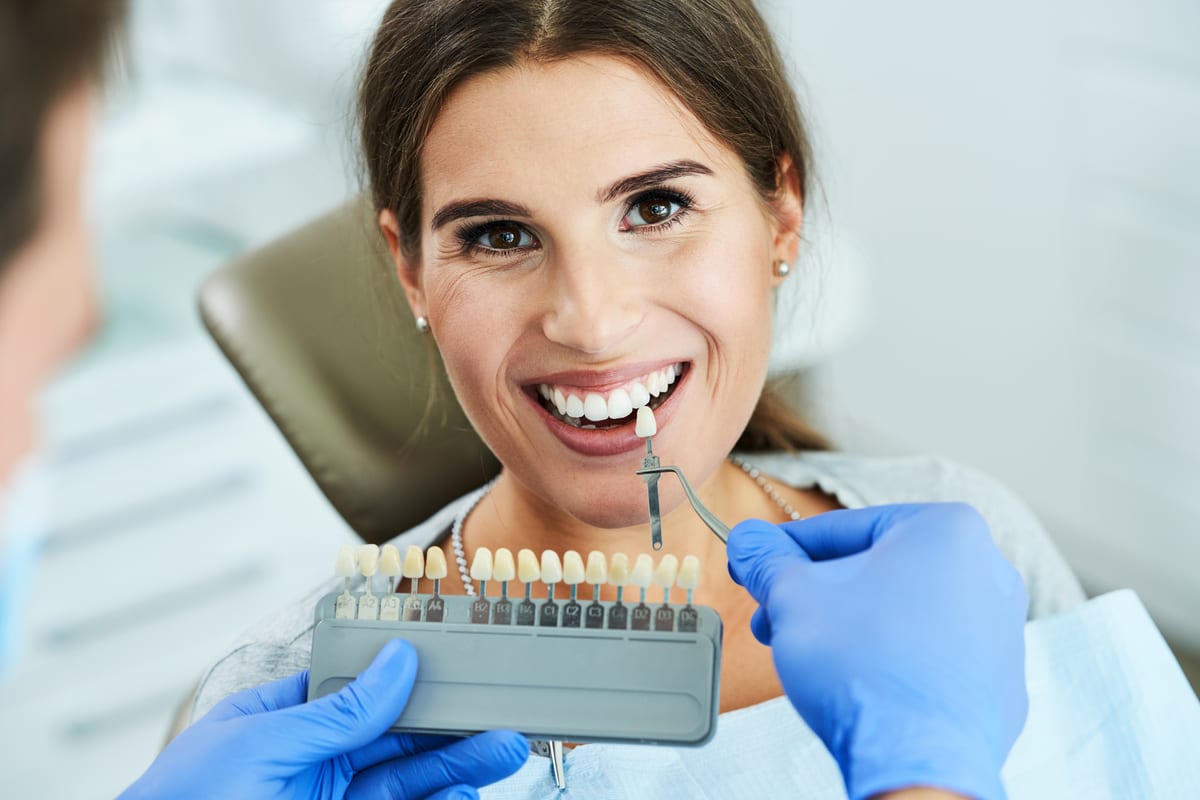
Porcelain veneers are one of the most beautiful investments you can make in your smile. But your veneers will last decades—if you know what to avoid in Charlotte’s busy, coffee-loving lifestyle. Dr. Hiren Patel at Regal Oaks Dental Charlotte sees patients every week who want to protect their veneer results for the long haul. The good news? With the right habits, your veneers can look stunning for 15 to 20 years or more.
What Veneers Are Made of and Why That Matters for Care
Porcelain veneers are thin shells bonded permanently to the front of your teeth. They mimic natural enamel in both appearance and texture. Understanding their structure helps you make smarter daily choices.
Porcelain is stain-resistant but not stain-proof. It can also chip under excessive pressure. Composite resin veneers are more affordable but slightly more porous and less durable than porcelain.
Both types require consistent, gentle maintenance. The bonding agent that holds veneers in place can also weaken over time if exposed to certain chemicals or habits. Knowing this gives you a real reason to follow care guidelines every single day.
What to Avoid If You Want Your Veneers to Last in Charlotte
Charlotte is full of coffee shops, craft breweries, and sweet tea spots. Many of your favorite drinks can gradually dull or stain your veneers. Here are the biggest threats to avoid:
- Dark beverages: Coffee, red wine, tea, and dark sodas can stain composite veneers and dull porcelain over time.
- Hard or crunchy foods: Ice, hard candies, popcorn kernels, and crusty bread put stress on the veneer bond.
- Nail biting and pen chewing: These habits apply uneven pressure directly to your veneers.
- Teeth grinding (bruxism): Grinding at night is one of the fastest ways to crack or wear down veneers.
- Abrasive toothpastes: Whitening toothpastes with baking soda or coarse particles scratch veneer surfaces over time.
- Alcohol-based mouthwashes: High-alcohol rinses can weaken the bonding resin beneath your veneers.
Avoiding these is not about restriction. It is about understanding that small daily choices add up over 10 to 20 years. Many Charlotte patients are surprised how much these habits impact long-term results.
Daily Care Habits That Actively Protect Your Veneers
Protection is just as important as avoidance. The right daily routine keeps your veneers looking brilliant and your underlying teeth healthy. Start with these fundamentals:
Use a soft-bristled toothbrush every time you brush. Hard bristles scratch veneer surfaces and irritate gum tissue. Brush gently in circular motions twice daily.
Choose a non-abrasive, fluoride toothpaste. Fluoride strengthens the natural tooth structure beneath the veneer. It also helps prevent decay along the gum line where veneers meet your teeth.
- Floss daily: Slide floss gently between teeth without snapping it against the veneer edge.
- Rinse after staining drinks: A quick water rinse after coffee or wine reduces surface contact time.
- Wear a nightguard if you grind: Ask Dr. Patel about a custom nightguard to protect your investment while you sleep.
- Use a straw: Drinking staining beverages through a straw minimizes contact with your veneer surfaces.
- Stay hydrated: Saliva naturally cleans teeth. Drinking water throughout the day supports this process.
These habits take just minutes each day. But compounded over years, they make a dramatic difference in how long your veneers last and how vibrant they look.
Why Professional Maintenance Visits Are Non-Negotiable
Home care is essential, but professional visits protect what you cannot see or feel on your own. Dr. Hiren Patel recommends that veneer patients visit Regal Oaks Dental Charlotte every six months. These appointments are more than routine cleanings.
During each visit, Dr. Patel checks the integrity of each veneer bond. He looks for early signs of chipping, gum recession around veneer margins, and bite changes that put pressure on your restorations. Catching issues early saves you from costly repairs later.
Professional polishing uses veneer-safe tools and pastes. This removes surface buildup that at-home brushing cannot fully address. Your smile leaves each appointment looking refreshed and clean.
If you develop a cavity beneath a veneer or a related concern, addressing it quickly matters. Untreated decay can compromise the veneer and the underlying tooth. In some cases, advanced decay may eventually require Root Canal Treatment Charlotte to save the tooth structure beneath. Prevention is always the better path. Consistent Preventive Dentistry Charlotte visits are the single most effective way to protect both your veneers and your overall oral health long-term.
Signs That Your Veneers May Need Attention
Even with perfect care, veneers can develop issues over time. Knowing what to watch for helps you act before small problems grow into bigger ones.
Contact Regal Oaks Dental Charlotte promptly if you notice any of the following:
- A veneer feels loose or shifts slightly when touched
- You notice a chip, crack, or rough edge on the veneer surface
- Sensitivity to hot or cold foods that did not exist before
- Visible darkening or shadowing along the gum line
- Your bite feels uneven or different than usual
These signs do not always mean a veneer has failed. Sometimes a simple polish or rebonding resolves the issue quickly. Early action prevents the need for full replacement.
Conclusion: Protect Your Investment in Your Smile
Your veneers represent a meaningful commitment to your confidence and oral health. The right daily habits, smart food and drink choices, and consistent professional care make all the difference. Charlotte patients who follow these guidelines consistently are the ones who enjoy stunning smiles for 15 years and beyond. Dr. Hiren Patel and the team at Regal Oaks Dental Charlotte are here to help you protect every detail of your smile at every stage. Book Now to schedule your appointment with our team.
Frequently Asked Questions
How long do porcelain veneers typically last?
Porcelain veneers typically last between 10 and 20 years with proper care. Some patients keep their veneers in excellent condition for even longer. Daily maintenance habits and regular dental visits are the key factors that determine longevity.
Can I whiten my teeth if I have veneers?
Traditional whitening products do not change the color of porcelain or composite veneers. Whitening only affects natural tooth enamel. If your natural teeth become stained over time, they may no longer match your veneers. Talk to Dr. Patel before using any whitening products.
Will my veneers stain from coffee or wine?
Porcelain veneers resist staining better than natural enamel, but they are not completely immune. Composite veneers are more susceptible to discoloration. Rinsing with water after dark beverages and using a straw can significantly reduce staining risk over time.
Do I need a nightguard if I have veneers?
If you grind or clench your teeth at night, a custom nightguard is strongly recommended. Grinding places intense pressure on veneers and can crack or chip them prematurely. A custom nightguard from your dentist fits precisely and provides the most effective protection.
How often should I visit the dentist after getting veneers?
Most patients with veneers should visit their dentist every six months. These visits allow Dr. Patel to inspect the veneer bonds, check for gum recession, and professionally clean surfaces. Patients with a history of grinding or gum concerns may benefit from more frequent visits.