(704) 387-3117
AVAILABLE FOR EMERGENCIES
How Often Should You Schedule an Oral Cancer Screening in Charlotte?
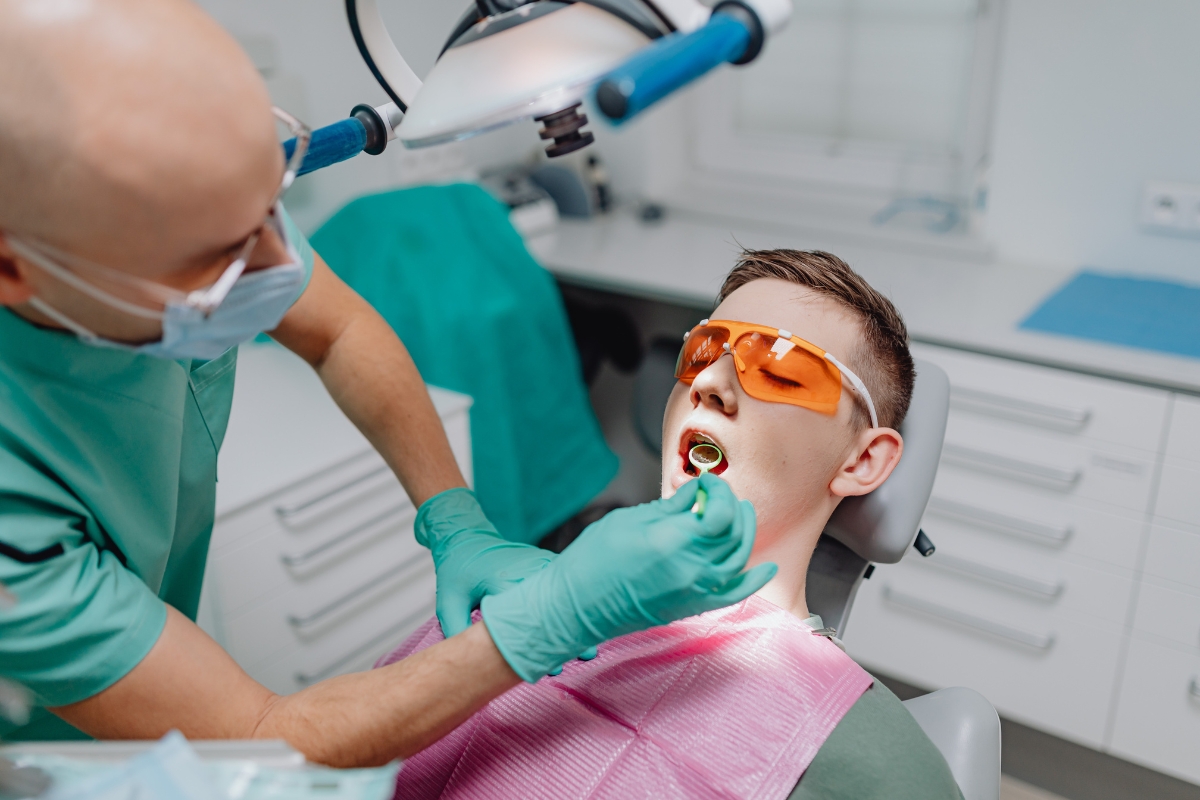
Oral cancer is a condition that affects thousands of lives every year. Even though it may not be the first thing you think of when you consider your overall health, scheduling oral cancer screenings can be life-saving. Many people don’t realize that early detection of oral cancer is easily done by scheduling a screening during your regular dental appointments. If you live in Charlotte, NC, it’s important to remember that your oral health is key, including scheduling regular oral cancer screenings.
In this blog, we’ll discuss why oral cancer screenings are important and how often you should schedule them for the best possible results.
Why Is Oral Cancer Screening Important?
Oral cancer can develop without noticeable symptoms, particularly during the early stages. This is why it’s important to schedule regular screenings as part of your regular dental routine. Oral cancer is most often diagnosed during routine dental appointments and is highly treatable when diagnosed early. In fact, early detection of oral cancer can usually lead to a higher survival rate and less invasive treatment.
Oral cancer screening in Charlotte, NC, is a simple, non-invasive test that can save lives by detecting signs of cancer or precancerous conditions. By performing regular screenings, your dentist can detect abnormal tissue changes in your mouth and throat that may indicate cancer. This allows for quicker intervention and potentially less aggressive treatments.
How Often to Schedule an Oral Cancer Screening
The frequency of oral cancer screening in Charlotte, NC, depends on your age, risk factors, and overall oral health. The recommendation is that most adults have a screening once per year as part of their routine dental visit. If you have elevated risk factors for developing oral cancer, your dentist may recommend more frequent screenings.
For individuals over 40, an oral cancer screening should be considered part of their annual visit. However, for individuals with elevated risk factors or individuals who have previously had oral cancer, more frequent screenings, such as every six months, can be recommended. Your dentist can help determine the best schedule for you.
Risk Factors for Oral Cancer
Certain habits and conditions will increase an individual’s chances of developing oral cancer. They include:
- Tobacco use (both smoking and smokeless tobacco)
- Heavy use of alcohol
- HPV (human papillomavirus)
- Age (the risk of oral cancer increases with age, and the most significant increase is seen after 40)
- A family history of cancer
- Exposure to sunlight, which can cause lip cancer
If you have any of the above-listed risk factors, you must contact your dentist to schedule more frequent screenings; your dentist will advise you and continue to monitor your oral health.
What to Expect During an Oral Cancer Screening
The screening is quite simple and usually doesn’t take more than a few minutes. Visually, your dentist will examine your mouth with a light and feel the tissues in your cheeks, jaw, and neck with their fingers to check for any lumps or abnormalities. Your dentist may recommend further testing or a biopsy if they find something abnormal to determine whether cancer cells are there.
Conclusion: Prioritize Your Oral Health
Regular oral cancer screening in Charlotte, NC, should be considered a necessary part of your dental care routine, helping you maintain good overall health. Detecting oral cancer in its early stages can be very effective in the treatment and recovery. Make oral health a priority by booking an appointment for an oral cancer screening with your trusted dentist.
We at Regal Oaks Dental are committed to early detection and provide you with quality care and screening. Book your visit with us now to ensure that you remain in control of your oral health. Your smile and your health are precious!
FAQs
What are the signs of oral cancer?
Oral cancer may present with sores, lumps, and red/white patches of tissue inside your mouth. Early-stage oral cancer may not seem obvious, so it’s important to have regular screening.
Can oral cancer be prevented?
While there is no surefire way to prevent oral cancer, you can lower your risk of developing it by avoiding tobacco, limiting your alcohol intake, and practicing good oral hygiene.
Do dental insurance plans cover oral cancer screenings?
Many dental insurance plans cover routine screenings. Check with your individual insurance provider to see if your plan covers the cost of cancer screenings.
What happens if you see something suspicious during an oral cancer screening?
If a suspicious finding occurs during screening, your dentist will likely take additional steps, including a biopsy, to determine whether cancer is present.
Are oral cancer screenings painful?
No, the screening is non-invasive and typically painless. It involves a visual inspection and gentle palpation of the mouth and neck.
How long does an oral cancer screening last?
An oral cancer screening lasts just a few minutes; typically, a patient can combine it with their usual dental check-up.
Can you have an oral cancer screening if you do not have symptoms?
Definitely! Even if you’re not experiencing symptoms, regular oral cancer screenings can be very important because, at times, it can go undetected at very early stages of the cancer process.