(704) 536-0269
AVAILABLE FOR EMERGENCIESWhy Do My Teeth Feel Loose During Invisalign? Regal Oaks Dental Explains
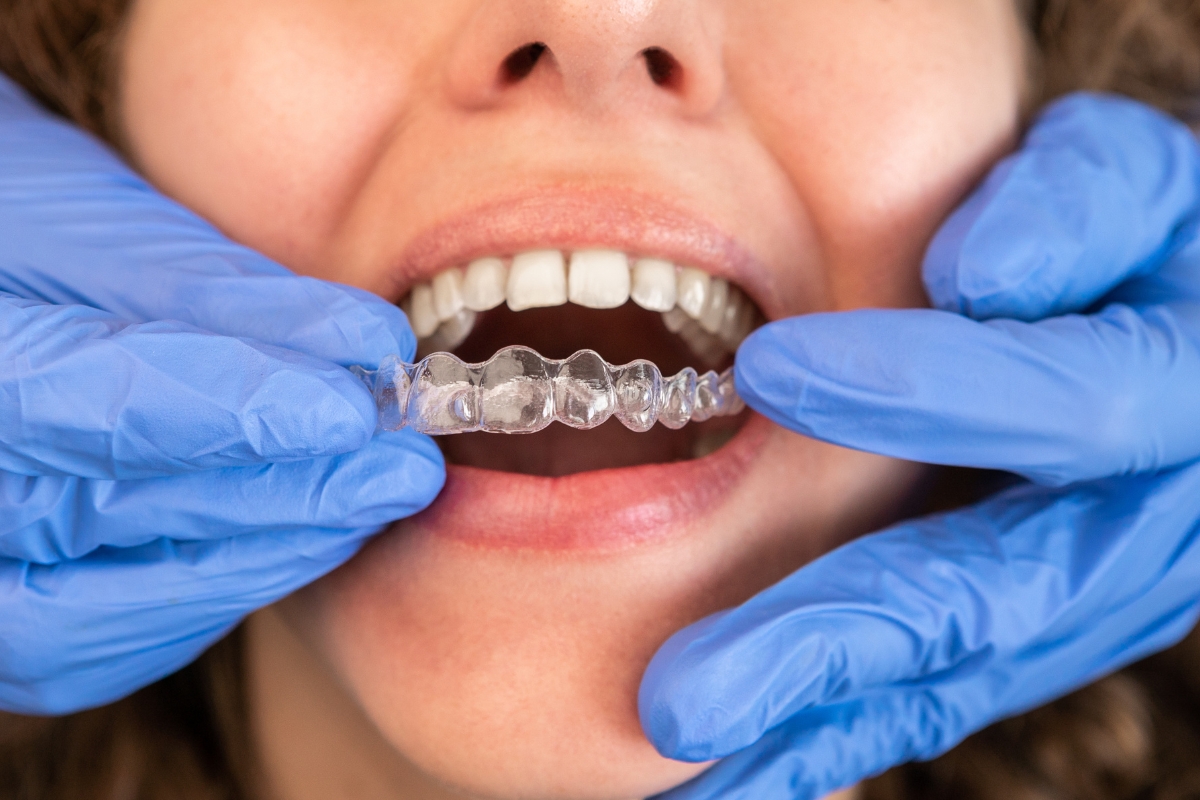
Noticing your teeth feel slightly loose after starting Invisalign? You’re not alone. Many patients experience this sensation early in treatment, and it can feel unsettling at first. The good news is that this is a normal part of how your smile shifts into better alignment.
As your teeth begin to move, they need a bit of flexibility to settle into their new positions. That temporary looseness is a sign that your body is responding to the process. It’s not harmful when managed correctly and monitored by a dental professional.
At Regal Oaks Dental Charlotte, patients often ask if this feeling is something to worry about. In most cases, it’s expected and even necessary for progress. In this blog, you’ll learn why it happens, what’s considered normal, and when you should check in with your provider.
Teeth Movement Is a Normal Part of Invisalign
When you begin treatment with Invisalign, your aligners apply gentle, controlled pressure to your teeth. This pressure encourages them to move gradually into better positions. Unlike sudden force, this method works in small, planned stages.
For teeth to shift, they cannot remain completely rigid. Think of it as adjusting something firmly set in place. It needs just enough give to move without damage. That slight flexibility is what you feel as looseness.
Each aligner is designed to move specific teeth in a precise direction. As you progress through trays, your teeth respond to these changes. The sensation may feel unusual, but it reflects controlled biological movement rather than instability.
Patients in Charlotte often notice this feeling more during the first few days of a new aligner. It typically fades as the teeth settle. With proper guidance, this process of Invisalign in Charlotte remains safe and predictable, helping you move closer to a well-aligned smile.
Why Teeth Feel Loose During Treatment
Bone Remodeling Process
Your jawbone plays an active role in tooth movement. When pressure is applied, the bone around your teeth begins to break down in certain areas and rebuild in others. This process is known as remodeling.
As the bone adjusts, your teeth gain temporary mobility. This allows them to shift into their new positions. Once the movement is complete, the bone stabilizes again, holding your teeth firmly in place.
Ligaments Around Teeth Adjust
Each tooth is supported by tiny fibers called periodontal ligaments. These ligaments act like shock absorbers, keeping your teeth secure while allowing slight movement.
During treatment, these ligaments stretch and adapt to new positions. This stretching creates the sensation of looseness. It may feel unusual, but it’s a controlled and necessary part of the process.
Frequent Aligner Changes
Switching to a new aligner introduces fresh pressure on your teeth. Each new set is slightly different from the last, guiding your teeth step by step.
This change can create a temporary feeling of instability. However, it usually settles within a few days. Staying consistent with your aligner schedule helps your teeth adjust smoothly and reduces discomfort over time.
How Much Looseness Is Normal?
A small amount of movement is expected during treatment. You might notice your teeth feel slightly mobile when biting or touching them with your tongue. This level of looseness is part of normal progress.
However, it should not feel painful or extreme. Your teeth should never feel like they could shift out of place easily. There is a clear difference between controlled movement and a concerning level of instability.
Here’s a quick way to understand it:
- ✔ Slight movement = normal
- ✖ Wobbly or painful = check with your dentist
If you’re unsure, it’s always better to have it evaluated. Many Charlotte patients feel reassured after a quick check, especially during the early stages of treatment.
When Should You Be Concerned?
While mild looseness is expected, certain symptoms should not be ignored. If you notice sharp or persistent pain, it could indicate excessive pressure or another issue that needs attention.
Sudden and significant movement is another warning sign. Teeth should not feel unstable to the point where chewing becomes difficult. Bleeding gums or swelling can also signal that something is not progressing as planned.
Watch for these signs:
- Sharp or increasing pain
- Sudden excessive movement
- Bleeding or inflamed gums
- Difficulty chewing
If any of these occur, contact your dental provider promptly. Early intervention helps prevent complications and keeps your treatment on track.
How Long Does the Loose Feeling Last?
The sensation of looseness is usually temporary. Most patients notice it for a few days after switching to a new set of aligners. As your teeth adjust, the feeling gradually fades.
Over time, your mouth adapts to the routine. Each phase becomes more predictable, and discomfort often decreases. By the end of treatment, your teeth will feel stable again in their new positions.
Consistency plays a key role here. Wearing your aligners as directed allows your teeth to settle properly between adjustments. Skipping wear time can prolong discomfort and delay stabilization.
Tips to Stay Comfortable During Invisalign
Staying comfortable during treatment is easier when you follow simple daily habits:
- Wear aligners for 20–22 hours each day
- Switch trays exactly as instructed
- Avoid hard or sticky foods that strain teeth
- Maintain proper oral hygiene to support gum health
- Use chewies if recommended to seat aligners properly
These steps help your teeth adjust smoothly and reduce unnecessary discomfort. Patients who follow these guidelines often experience fewer issues and better results.
Why This Movement Is a Good Sign
It may feel strange, but that slight looseness is actually a positive sign. This indicates that your teeth are responding to treatment and moving as planned.
Each small shift brings your smile closer to its final alignment. Without this movement, progress would not happen. Instead of viewing it as a problem, think of it as proof that your treatment is working.
Staying consistent and following your provider’s instructions helps ensure these changes occur safely and efficiently.
Invisalign vs Traditional Braces Sensation
Both Invisalign and traditional braces move teeth using controlled force. The main difference lies in how that force is applied.
Aligners use gradual, staged pressure that changes with each tray. Braces apply a more constant force through wires and brackets. Despite this difference, both methods can create a similar feeling of temporary looseness.
Some patients find Invisalign in Charlotte more comfortable due to its smooth design and removable nature. However, the biological process behind tooth movement remains the same in both cases.
What Happens After Invisalign Ends?
Once your treatment is complete, your teeth will settle into their new positions. At this stage, stability becomes the priority.
Retainers play a key role in maintaining your results. They hold your teeth in place while the surrounding bone fully stabilizes. Without them, teeth may gradually shift back.
Following your retainer schedule is just as important as wearing your aligners during treatment. It protects your investment and keeps your smile aligned long term.
Personalized Care Makes the Difference
Every smile responds differently to treatment. That’s why ongoing monitoring is essential. Regular check-ins help ensure your teeth are moving as expected.
At Regal Oaks Dental Charlotte, your progress is carefully evaluated at each stage. Adjustments are made when needed to keep everything on track. This level of attention helps reduce risks and improve overall outcomes.
Having a team that understands your treatment plan makes a noticeable difference in comfort and results.
Feeling your teeth loosen slightly during treatment can be surprising, but it’s a normal part of the process. It indicates that your teeth are shifting into better alignment, guided by controlled, safe movement.
Staying consistent with your aligners and following professional guidance helps ensure everything progresses smoothly. If something feels unusual, it’s always worth checking in for peace of mind.
If you’re considering Invisalign treatment or have concerns about your current progress, schedule a visit with Regal Oaks Dental Charlotte. Get clear answers, professional care, and a plan designed to keep your smile moving in the right direction.
People Also Ask
Can loose teeth fall out during Invisalign treatment?
No, teeth will not fall out under normal conditions. The movement is controlled and monitored to keep your teeth secure.
How long do teeth stay loose during Invisalign?
Teeth may feel loose for a few days after switching trays. The sensation usually settles as your teeth adjust.
Can eating hard foods make looseness worse during treatment?
Yes, hard or sticky foods can increase discomfort or strain. It’s best to follow dietary guidelines during treatment.
Is gum sensitivity related to loose teeth during Invisalign?
Sometimes mild gum sensitivity can occur alongside movement. Proper oral hygiene helps reduce irritation and supports healthy adjustment.
Does tooth looseness mean Invisalign is working?
Yes, it shows your teeth are responding to the applied pressure. This is a key part of the alignment process.